Scientific Encyclopedia of Plant-Based Nutrients and Botanical Compounds
An educational resource exploring the biochemical properties of natural extracts and their role in musculoskeletal system functionality

Theoretical Fundamentals of Human Bio-Mechanics
The human musculoskeletal system represents a complex integration of bones, cartilage, ligaments, tendons, and muscles working in coordinated motion. Contemporary biomechanical research examines how various factors influence the structural integrity and functional capacity of these interconnected tissues.
Academic studies in movement science investigate the role of connective tissue composition, synovial fluid properties, and collagen matrix organization in maintaining joint architecture. These theoretical frameworks help us understand the biochemical processes underlying tissue maintenance and regeneration.
Research in this field encompasses multiple disciplines including biochemistry, physiology, and nutritional science, each contributing unique perspectives on how biological systems adapt to mechanical stress and environmental factors over time.
Botanical Extracts: A Scientific Overview
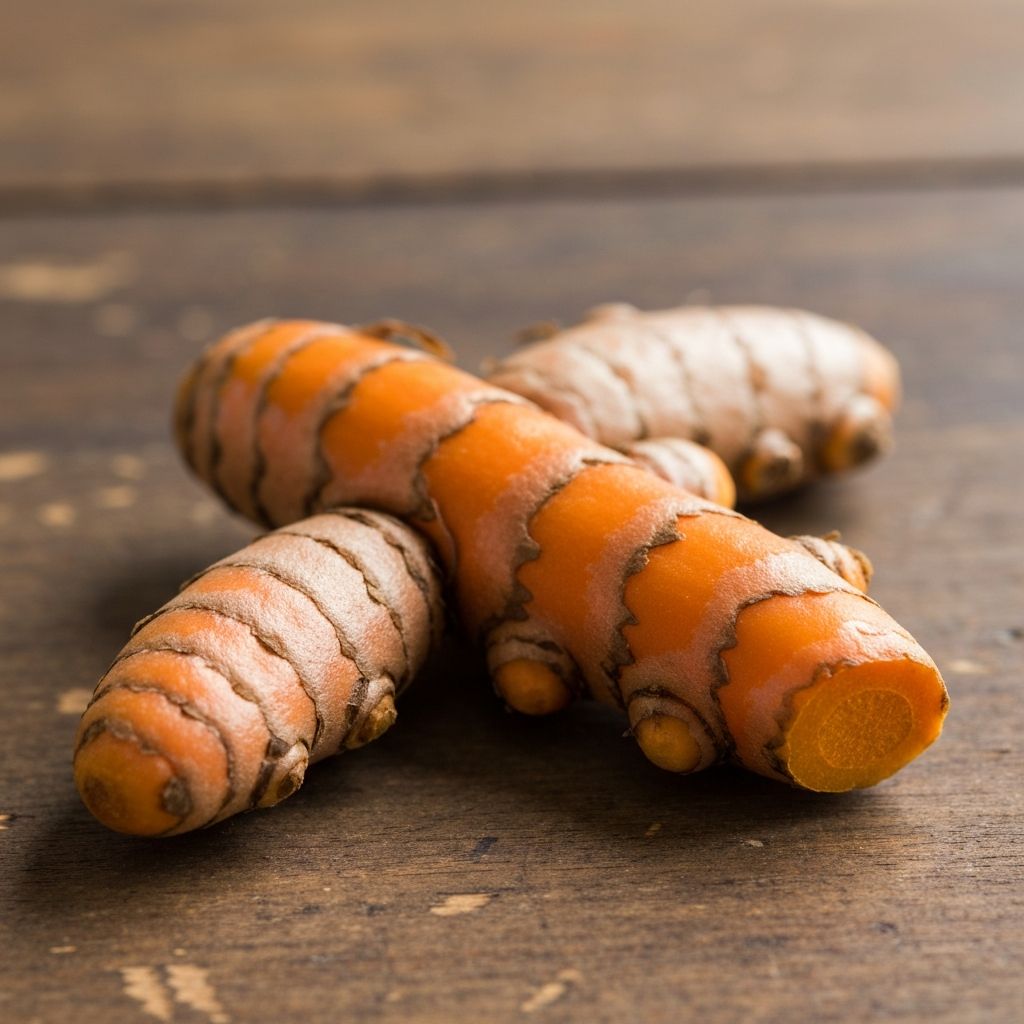
Curcuma longa (Turmeric)
Turmeric has been studied extensively in ethnobotanical research for its complex phytochemical profile. The rhizome contains curcuminoids, which are polyphenolic compounds that have been subject to numerous biochemical investigations since the early 20th century.
Historical records indicate its use in traditional Asian botanical practices for centuries. Modern analytical chemistry has identified over 100 distinct chemical components within turmeric extracts, including volatile oils, proteins, and various phenolic compounds.
Zingiber officinale (Ginger)
Ginger root contains gingerols and shogaols, bioactive compounds that have been characterized through spectroscopic analysis. Research literature documents its traditional applications across multiple cultural contexts, from ancient Indian Ayurvedic texts to traditional Chinese herbology.
Contemporary phytochemistry continues to examine the molecular structure and properties of these compounds through advanced analytical techniques including gas chromatography and mass spectrometry.
Micronutrients and Tissue Elasticity
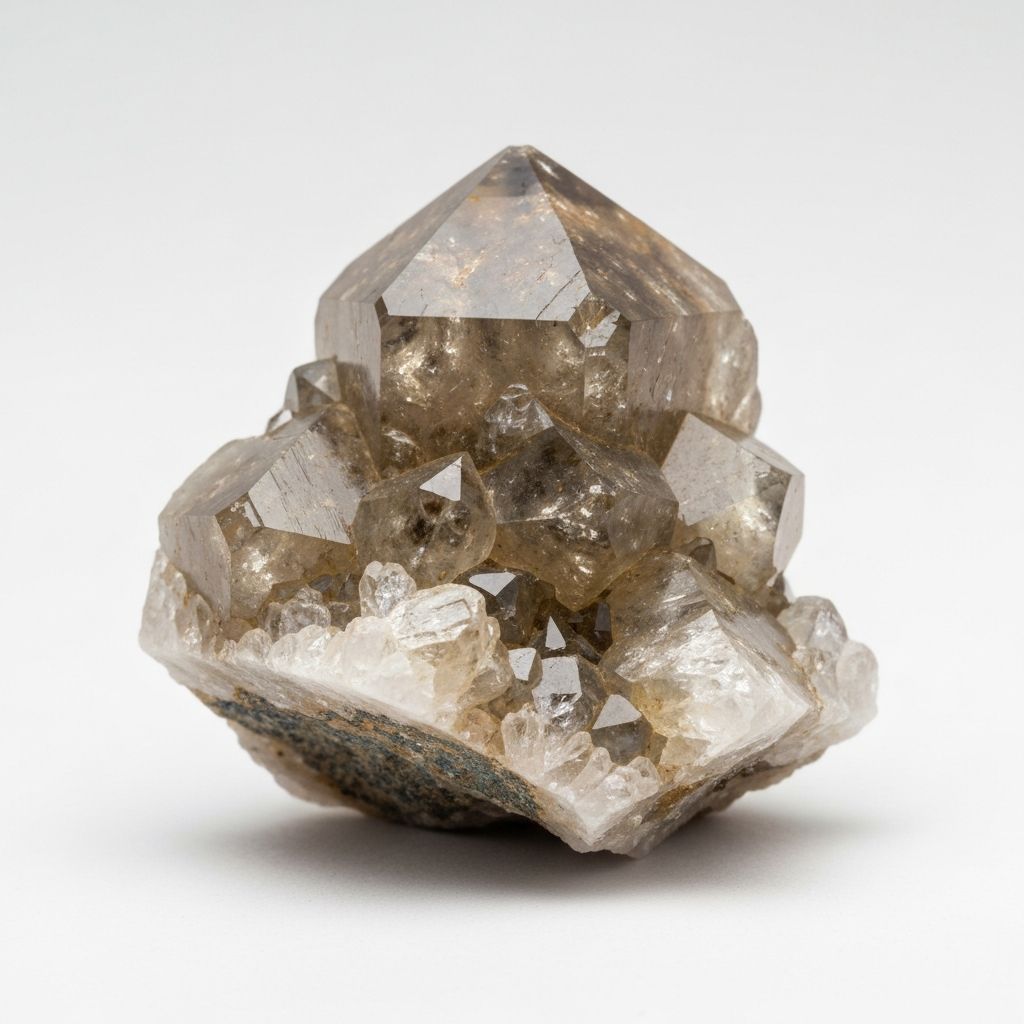
Vitamin C and Collagen Synthesis
Ascorbic acid serves as an essential cofactor in the enzymatic hydroxylation of proline and lysine residues during collagen biosynthesis. This biochemical process has been thoroughly documented in cellular biology literature since the identification of its role in preventing scurvy.
Mineral Components
Calcium, magnesium, and zinc are inorganic elements that participate in numerous physiological processes. Academic research examines their distribution in bone matrix, their role in enzymatic reactions, and their transport mechanisms across cellular membranes.
Vitamin D and Calcium Homeostasis
Cholecalciferol metabolism involves complex endocrine pathways affecting calcium absorption and bone mineralization. Scientific literature extensively covers the photochemical synthesis of vitamin D in skin tissue and its subsequent metabolic transformations in liver and kidney.
Historical Context of European Herbology
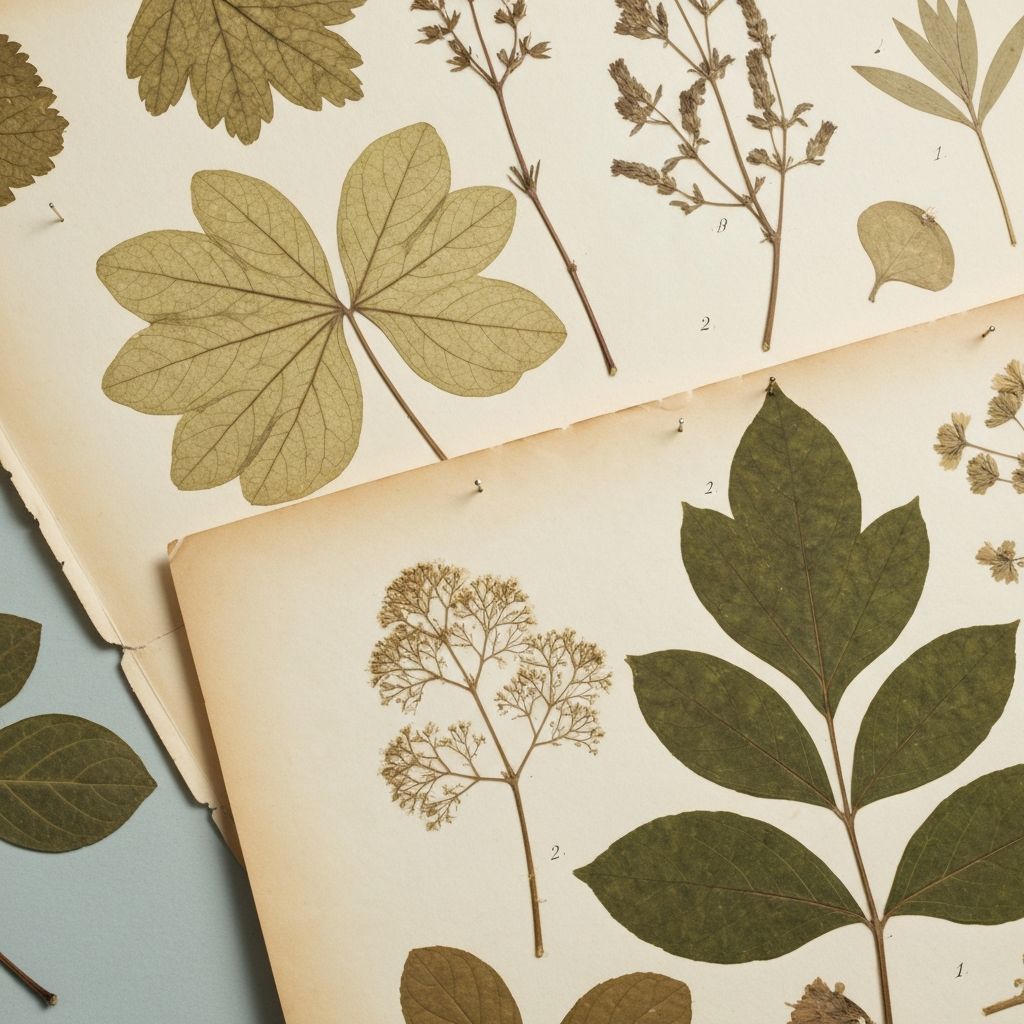
The systematic study of medicinal plants in Europe traces its origins to ancient Greek pharmacological texts, particularly the works of Dioscorides and Theophrastus. Their comprehensive botanical catalogs formed the foundation for medieval European herbals.
During the Renaissance, botanical gardens emerged as centers of scientific inquiry across major European cities including Padua, Leiden, and Prague. These institutions facilitated the systematic classification and documentation of plant species from both local and exotic origins.
The 19th century witnessed the rise of phytochemistry as a distinct scientific discipline, with researchers isolating and characterizing active compounds from traditional herbal preparations. This period marked the transition from empirical herbalism to evidence-based pharmacognosy.
In Central Europe, particularly in regions that now comprise the Czech Republic, traditional botanical knowledge was preserved through generations of herbalists and apothecaries. Historical archives document extensive local use of native plants including arnica, chamomile, and valerian.
Natural Sources of Collagen Support
Collagen represents the most abundant protein in mammalian organisms, comprising approximately 30% of total body protein content. Its triple-helix structure provides mechanical strength to connective tissues throughout the body.
Plant-Based Nutritional Components
While collagen itself is exclusively of animal origin, various plant-derived nutrients support endogenous collagen synthesis pathways. Amino acids such as glycine, proline, and lysine serve as building blocks for collagen protein chains.
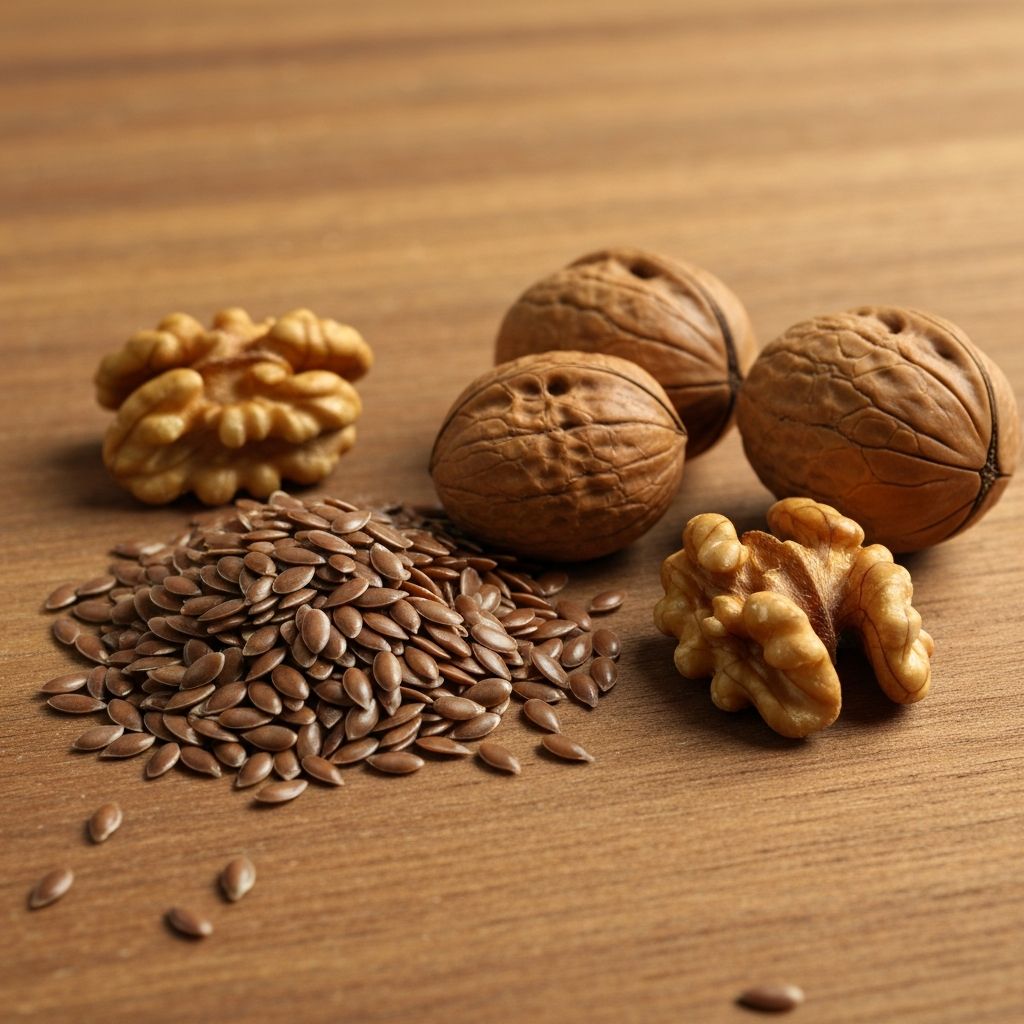
Legumes, seeds, and nuts provide these amino acids in varying concentrations. Flaxseeds contain alpha-linolenic acid, an omega-3 fatty acid studied for its role in cellular membrane composition. Walnuts offer similar nutritional components along with vitamin E and various polyphenolic compounds.
Silica and Connective Tissue
Silicon exists in various forms in plant tissues, particularly in bamboo shoots, horsetail, and whole grains. Biochemical research investigates silicon's potential involvement in collagen cross-linking and bone mineralization processes, though mechanisms remain subjects of ongoing scientific inquiry.
Bioavailability of Plant Compounds
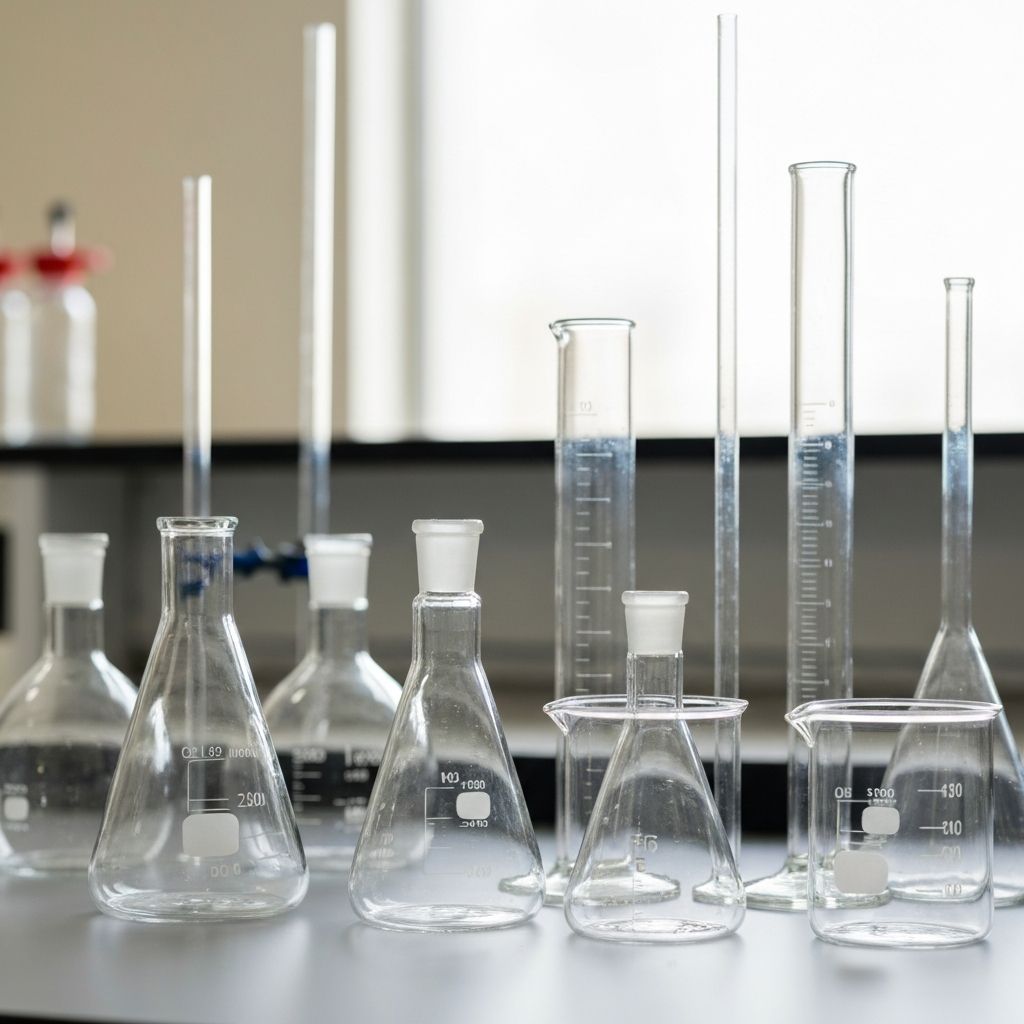
Bioavailability refers to the proportion of a substance that enters systemic circulation and becomes available at the site of physiological activity. This pharmacokinetic parameter depends on multiple factors including molecular structure, solubility, and metabolic transformations.
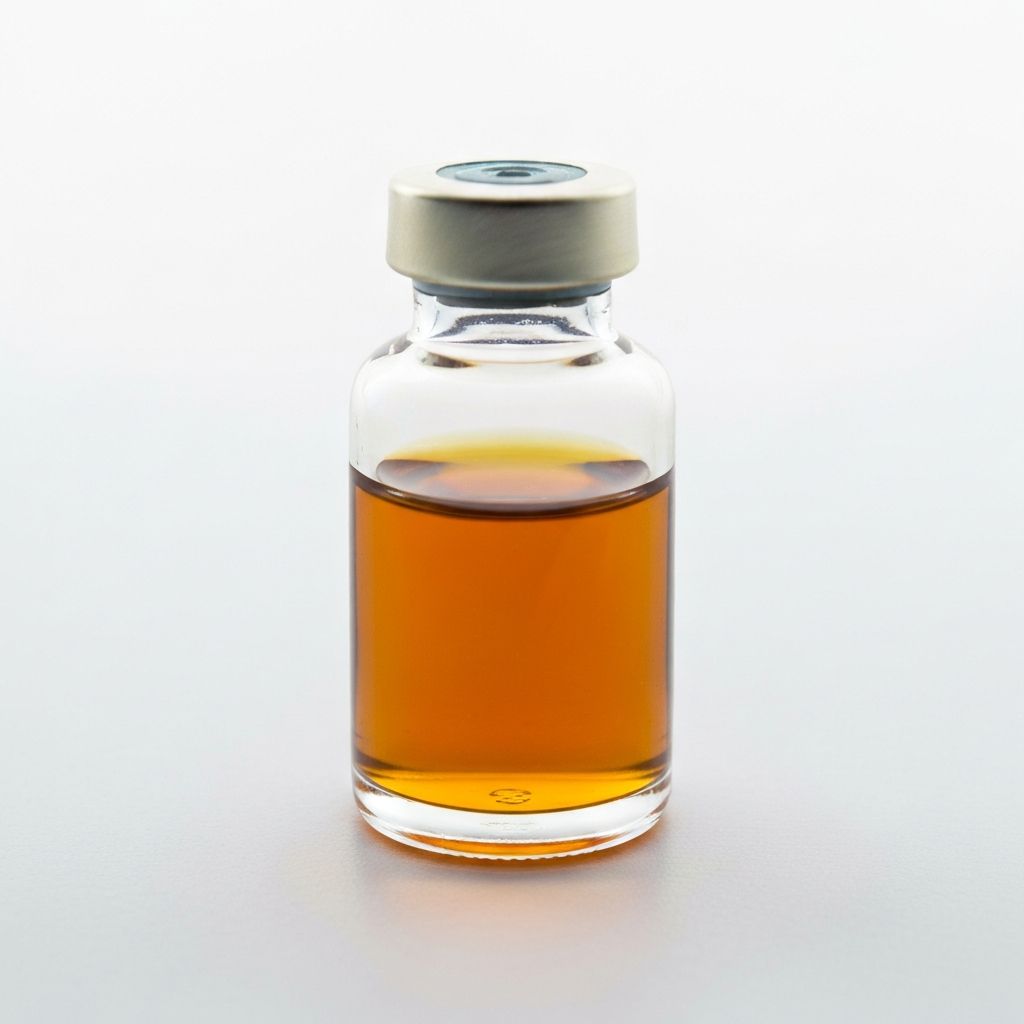
Absorption and Metabolism
Following oral administration, botanical compounds undergo first-pass metabolism in the liver, where phase I and phase II enzymatic reactions modify their chemical structure. These biotransformation processes significantly influence the biological activity and duration of action of phytochemicals.
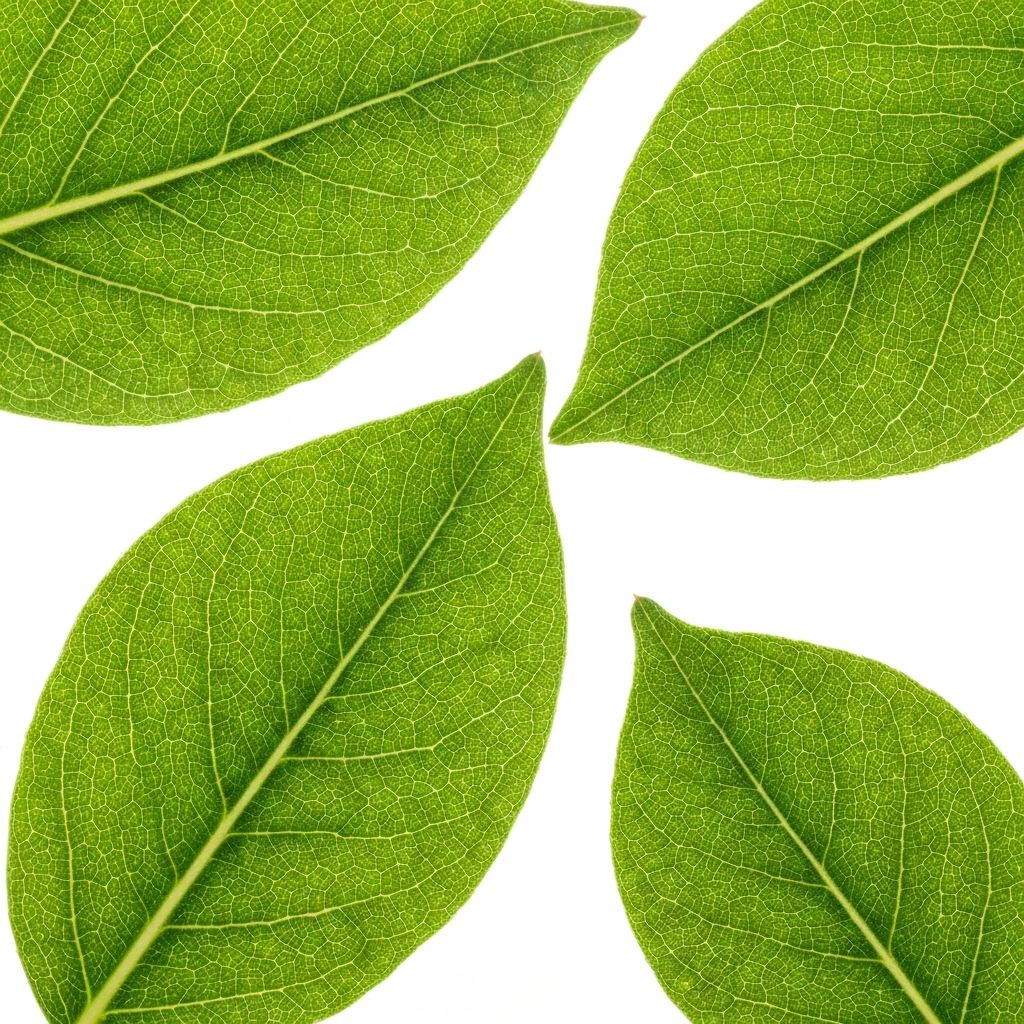
Factors affecting bioavailability include gastric pH, presence of dietary fats, individual genetic variations in metabolic enzymes, and interactions with gut microbiota. Contemporary pharmaceutical research employs techniques such as nanoencapsulation and liposomal delivery to enhance absorption of poorly soluble compounds.
Extraction Methods
Different extraction techniques yield varying concentrations and profiles of bioactive compounds. Aqueous extraction, ethanolic extraction, and supercritical CO2 extraction each selectively isolate different classes of phytochemicals based on their polarity and thermal stability.
Factors Affecting Physical Resilience
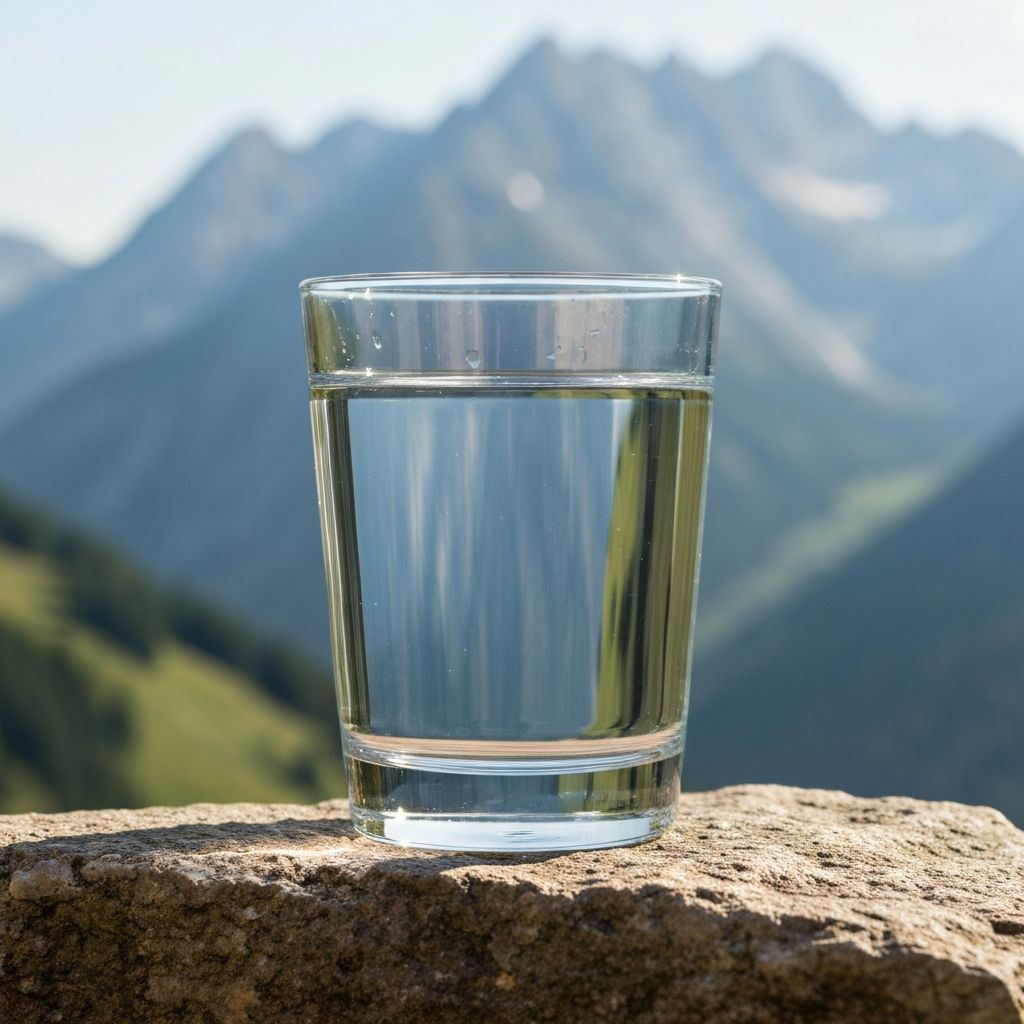
Physical resilience encompasses the capacity of biological systems to maintain functionality under stress and recover from mechanical strain. Multiple interconnected factors contribute to this complex physiological phenomenon.
Hydration and Tissue Function
Water constitutes approximately 60% of adult body mass and plays critical roles in maintaining tissue turgor, facilitating nutrient transport, and regulating temperature. Cartilage tissue, in particular, consists of up to 80% water, which provides its characteristic shock-absorbing properties.
Physical Activity Patterns
Biomechanical research demonstrates that regular movement stimulates mechanotransduction pathways, where mechanical stimuli are converted into biochemical signals. These signals influence cellular processes including protein synthesis and tissue remodeling.
Chronobiology and Recovery
Circadian rhythms regulate numerous physiological processes including hormone secretion, protein synthesis, and tissue repair mechanisms. Research in chronobiology examines how temporal patterns of activity and rest influence musculoskeletal health.
Modern Educational Standards for Wellness
Contemporary wellness education emphasizes evidence-based approaches grounded in peer-reviewed scientific literature. Academic institutions worldwide offer programs in nutritional science, exercise physiology, and integrative health that combine theoretical knowledge with research methodologies.
Professional organizations establish guidelines for evaluating scientific claims, emphasizing the importance of randomized controlled trials, systematic reviews, and meta-analyses in building robust knowledge foundations.
Educational frameworks distinguish between empirical evidence, theoretical models, and anecdotal observations, promoting critical thinking skills necessary for navigating complex health information landscapes.
Theoretical Comparison of Botanicals
Comparative phytochemistry examines similarities and differences in chemical composition across plant species. This analytical approach helps researchers understand evolutionary adaptations and potential applications of botanical compounds.
| Botanical Name | Primary Compounds | Traditional Context | Research Focus |
|---|---|---|---|
| Curcuma longa | Curcuminoids, volatile oils | Asian traditional systems | Polyphenol biochemistry |
| Boswellia serrata | Boswellic acids | Ayurvedic preparations | Resin chemistry |
| Harpagophytum procumbens | Iridoid glycosides | African ethnobotany | Glycoside pharmacology |
| Salix alba | Salicin | European herbalism | Phenolic glycoside studies |
These botanical species represent diverse geographical origins and phytochemical profiles, each offering unique subjects for scientific investigation. Comparative studies help identify common structural motifs and understand how plants synthesize bioactive compounds.
Myths vs Facts in Natural Components
Frequently Asked Questions
Educational Context and Limitations
This resource presents general educational information about botanical compounds, nutritional biochemistry, and musculoskeletal science. The content is intended for informational and educational purposes only.
The information provided does not constitute personalized recommendations or substitute for individualized professional guidance. Every person's biological system, health status, and circumstances are unique.
Scientific research continues to evolve, and our understanding of botanical compounds and human physiology changes as new evidence emerges. The content reflects current educational perspectives within relevant scientific disciplines.
Readers are encouraged to consult qualified professionals for personalized advice specific to their individual situations.
Explore More Educational Content
Continue your learning journey by exploring additional sections of our scientific knowledge base.
Learn About Our Educational MissionContact Information
PureMovePRG
Address:
Na Poříčí 1041/12
110 00 Nové Město
Czechia
Phone: +420 221 445 609
Email: [email protected]